















































Digital Archive
This story is part of our historical records. While preserved for reference, some details and facts may have evolved since its original publication 6 months ago.
Gaza's Christians Mark Sombre Easter Amidst Unprecedented Conflict
Christians in Gaza observe a deeply subdued Easter, refusing to celebrate amidst ongoing destruction, displacement, and immense suffering.

W
World
NEWS CARD

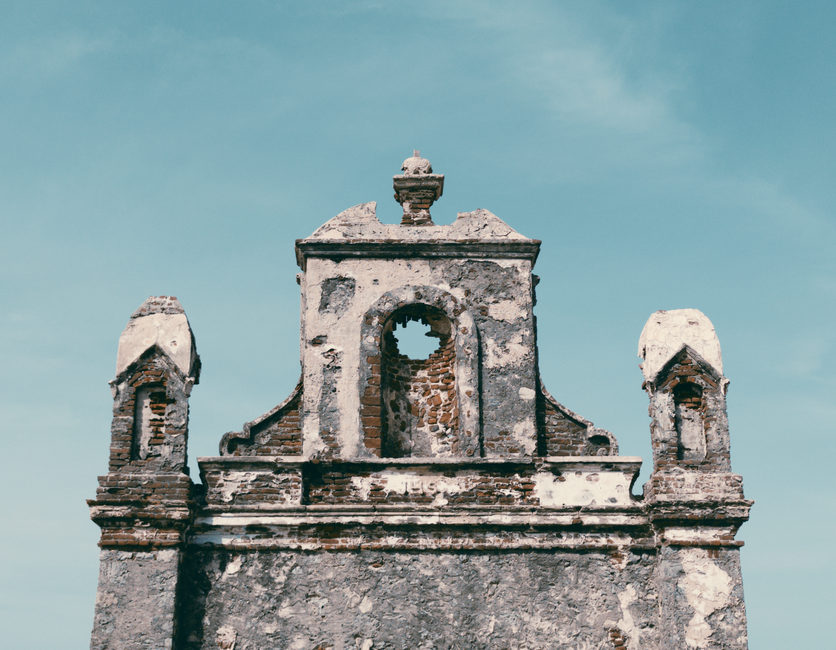
“Gaza's Christians Mark Sombre Easter Amidst Unprecedented Conflict”

Read more on
www.gulfwire.in/s/4a8a26
6 Apr 2026
Key Highlights
- Christians in Gaza have chosen to forgo traditional Easter celebrations, marking the solemn occasion with profound grief.
- The community faces severe hardship, including displacement, loss of life, and widespread destruction of infrastructure.
- A deep sense of sorrow pervades Gaza's small Christian population, intertwined with the broader humanitarian catastrophe.
GAZA CITY — The Christian community in Gaza has observed Easter this year under a cloud of unprecedented sorrow, with many refusing to celebrate amidst the ongoing conflict that has ravaged the strip. The vibrant festivities typically associated with the holiday were replaced by somber prayers, reflection, and a deep sense of mourning for those lost and the homes destroyed.
history
This is an archived post. The information provided may be outdated.
auto_awesome
Ai Assisted
This article is curated and summarized by AI from multiple sources.