






































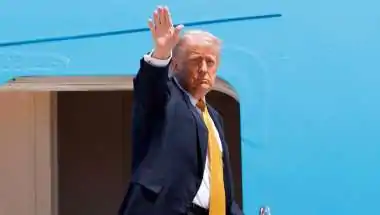

Former U.S. President Donald Trump recently shared his perspective on the volatile Middle East, suggesting that a potential ceasefire involving Iran could pave the way for an unprecedented era of prosperity and stability in the region, which he termed a ‘golden age.’ His comments underscore a significant outlook on future diplomatic possibilities and the reduction of long-standing hostilities.
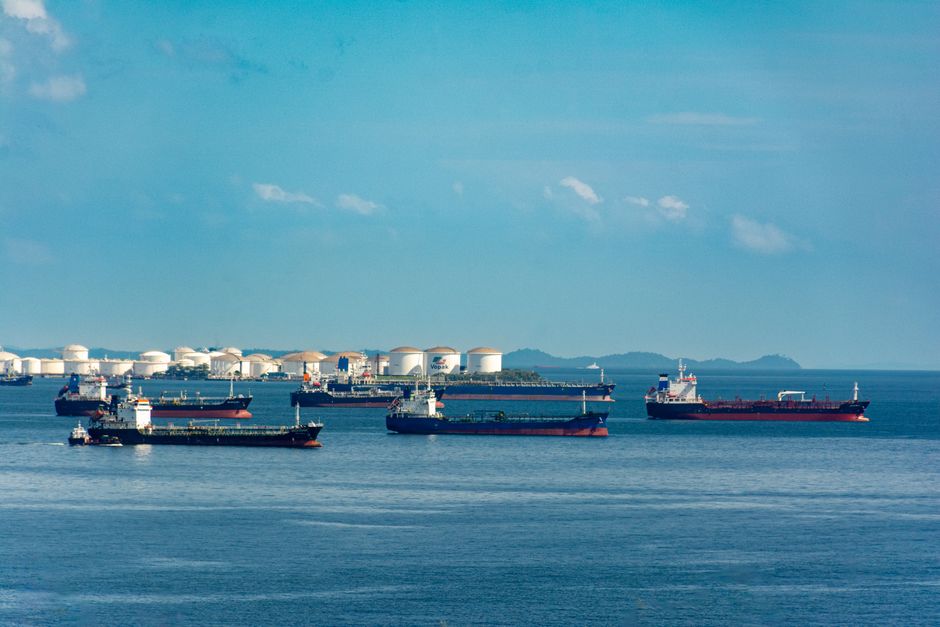
Alongside this broader vision for regional peace, Trump also addressed immediate operational concerns in one of the world's most vital maritime choke points. He indicated that the United States is prepared to provide assistance with the management of traffic in the Strait of Hormuz. This strait is crucial for global oil shipments, and its security has frequently been a point of international focus and tension, particularly concerning Iran's role.
A Vision for Regional Transformation
Trump’s remarks about a ‘golden age’ are seen by some analysts as an aspirational call for a drastic de-escalation of conflicts that have plagued the Middle East for decades. Such a ceasefire, particularly with a major regional player like Iran, would undoubtedly reshape the geopolitical dynamics and potentially unlock new avenues for economic cooperation and cultural exchange across nations.
The prospect of an Iran ceasefire is a complex issue, laden with historical grievances and intricate political challenges. Any such development would necessitate extensive diplomatic efforts and significant commitments from multiple parties to ensure lasting peace and mutual security in a region frequently marked by proxy conflicts and strategic rivalries.
U.S. Role in Strait of Hormuz Security
The announcement regarding US assistance in the Strait of Hormuz addresses a more immediate and tangible concern. The strait, a narrow waterway between the Persian Gulf and the Gulf of Oman, is indispensable for international trade, with a significant portion of the world's oil supply passing through it daily. Any disruptions there can have far-reaching global economic consequences.
For years, the Strait of Hormuz has been a flashpoint, with various incidents involving naval forces and commercial shipping. The United States maintaining an active role in overseeing traffic would be aimed at ensuring freedom of navigation and maintaining stability in this critical maritime corridor. This initiative could be interpreted as a measure to mitigate risks and prevent potential escalations that could disrupt global energy markets.
The US military presence in the broader Middle East has long been a subject of debate, often linked to strategic interests and regional security. Past tensions have occasionally flared, with reports even emerging about incidents that could have significantly altered the regional balance. For instance, discussions surrounding potential military actions, such as the Reports Emerge of US Bunker Buster Strikes on Iran's Isfahan, Trump Shares Video Amid Explosions, highlight the fraught nature of US-Iran relations at times.
These recent statements from Donald Trump indicate a two-pronged focus: a long-term, optimistic vision for regional peace and a more immediate, practical commitment to safeguarding global trade routes. The interplay between these aspirations and the ongoing realities in the Middle East will continue to be a focal point for international observers.
Stay tuned to GulfWire News for the latest developments on global affairs and regional dynamics.