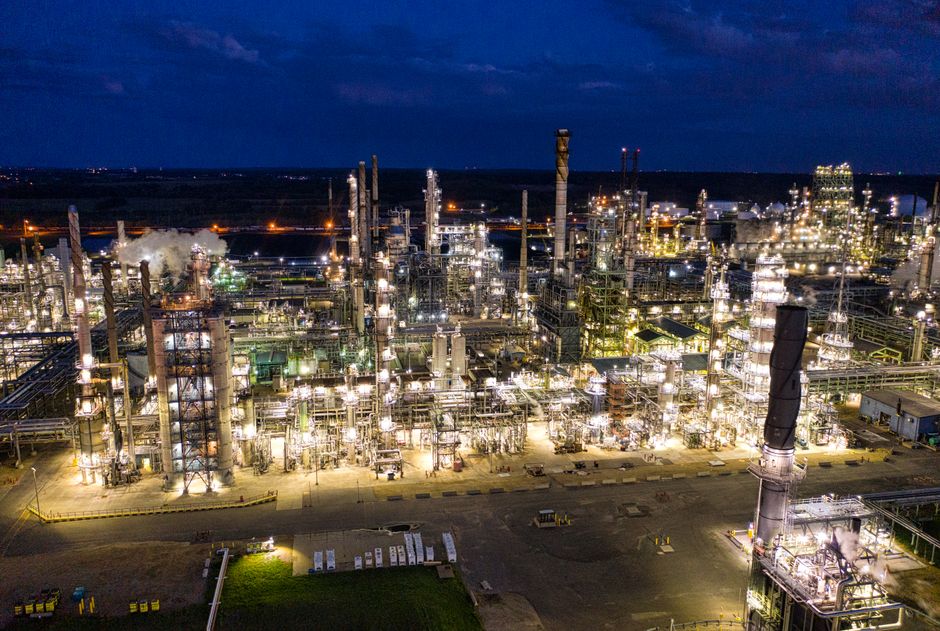











































Recent developments point to an attack on a crucial Israeli oil refinery, an event that has immediately drawn attention to the volatile security landscape of the Middle East. Information remains fluid, but initial reports suggest a deliberate targeting of vital energy infrastructure.
Details emerging indicate the attack prompted an immediate response from emergency services and security forces. While the extent of the damage is still being fully assessed, preliminary observations suggest operational disruptions at the facility. Authorities have initiated a comprehensive investigation into the incident.
The Nature of the Incident
Sources familiar with the matter suggest the attack might have involved aerial projectiles. This method of assault frequently raises questions about origin and capability, pointing towards potentially sophisticated actors in the region.
Specifics regarding the type of weapon used and its trajectory are critical to pinpointing responsibility. Analysts are scrutinizing available radar data and debris for forensic clues. The precise timing of the attack also holds significance, potentially aligning with broader regional flashpoints.
Regional Context and Implications
This incident occurs amidst a period of heightened tensions across the Middle East. Recent weeks have seen an uptick in strategic infrastructure being targeted, both in Israel and in surrounding Gulf states.
For instance, Iran has reportedly intensified attacks on Gulf energy sites following Israeli actions against its own key gas fields. This tit-for-tat dynamic creates a perilous environment for regional stability. Such actions often risk broader military engagement.
? Did You Know? The Middle East region holds over half of the world's proven oil reserves, making its energy infrastructure a frequent point of geopolitical contention and strategic importance.
The security of oil refineries is paramount for any nation, serving as vital components of both its economy and national security. An attack on such a facility can ripple through global energy markets, potentially impacting crude oil prices and supply chains.
International observers are closely monitoring the situation. Calls for de-escalation are anticipated as the implications of such a strike become clearer. The incident underscores the fragility of peace in a region often on edge.
Ongoing Investigations and Future Outlook
Security agencies are working meticulously to determine the perpetrators behind the attack. Attribution is a complex process, often requiring careful intelligence gathering and verification.
The Israeli government has yet to release definitive statements on culpability, stressing the importance of a thorough investigation. The international community awaits further details, which could significantly influence diplomatic efforts in the region.
The current climate also brings into focus the complex web of alliances and rivalries. The United States, for instance, maintains a close strategic partnership with Israel, while also navigating its relationship with Iran. Discussions about Iran's leadership status, as highlighted by US Raises Alarm: Iran's 'New Supreme Leader' Status Unclear, Says No One Has Seen Him, often frame these regional dynamics.
Ensuring the uninterrupted flow of energy remains a global priority. Attacks on critical infrastructure, regardless of the target, create significant concern for all stakeholders involved in the global energy trade.
Stay tuned to GulfWire News for the latest developments on this unfolding story.