








































Pradosh Vrat, derived from the Sanskrit word 'Pradosh' meaning 'dusk,' is observed on the 13th day (Trayodashi Tithi) of both the Krishna Paksha (dark fortnight) and Shukla Paksha (bright fortnight) of a lunar month. The fast is primarily performed during the 'Pradosh Kaal,' the auspicious period spanning approximately one and a half hours before and after sunset.
Understanding Pradosh Vrat in April 2026
April 2026 will host two Pradosh Vrat observations, aligning with the lunar cycles. While specific dates and exact timings vary slightly based on geographical location and panchang calculations, devotees typically prepare for these events by consulting local religious calendars.
The first Pradosh Vrat of April 2026 will fall during the Krishna Paksha, typically occurring in the earlier half of the month. The second observance will take place during the Shukla Paksha, usually in the latter half of April. Each Pradosh Vrat carries the spiritual energy associated with the day of the week it falls upon, enhancing its specific benefits.
Significance of Observing Pradosh Vrat
The observance of Pradosh Vrat is deeply rooted in Hindu mythology and spirituality. It is believed that Lord Shiva is in an exceptionally benevolent mood during the Pradosh Kaal, and worshipping him during this time can absolve sins, fulfill desires, and grant moksha (liberation).
Devotees undertake a strict fast, which may be nirjala (without water), phalahari (fruits only), or a single meal, depending on individual capacity and tradition. The fast is broken after performing the evening puja during Pradosh Kaal.
Rituals and Puja Timings
The rituals associated with Pradosh Vrat involve elaborate prayers and offerings to Lord Shiva. Devotees typically wake up early, take a purifying bath, and then resolve to observe the fast with sincerity. The day is spent in meditation, chanting mantras, and reciting Shiva Stotras.
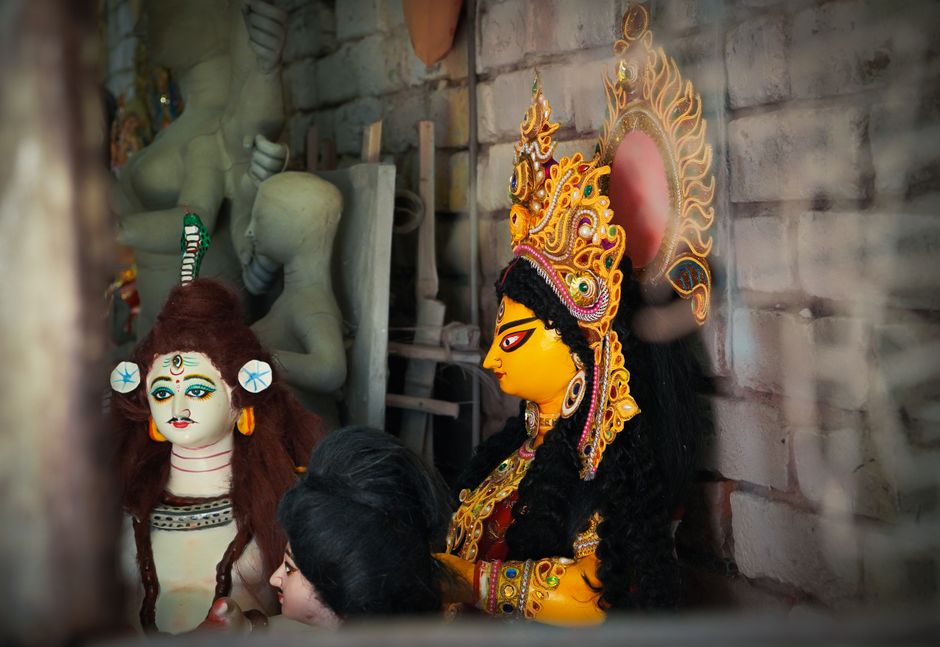
The main puja is performed in the evening. An idol or image of Lord Shiva and Goddess Parvati is worshipped. Offerings usually include bilva leaves, flowers, ghee lamp, incense, sandalwood paste, milk, curd, honey, sugar, and Ganga jal. Chanting the 'Om Namah Shivaya' mantra repeatedly is a central part of the worship.
The Vaishakh Month Connection
April 2026 also marks the advent of the Vaishakh month, a period considered highly auspicious in the Hindu calendar, known for various festivals and vrats. The Pradosh Vrats falling within Vaishakh are seen as particularly potent, allowing devotees to accumulate immense spiritual merit.
This deep commitment to spiritual practices resonates with individuals across various faiths, where names such as Qanita, signifying devotion and piety, hold significant cultural and personal meaning.
The observance of Pradosh Vrat stands as a testament to enduring faith and the pursuit of spiritual well-being. Devotees eagerly await these moments to connect with the divine and seek blessings for a harmonious life.
Stay tuned to GulfWire News for the latest developments and detailed insights into cultural and religious observances.