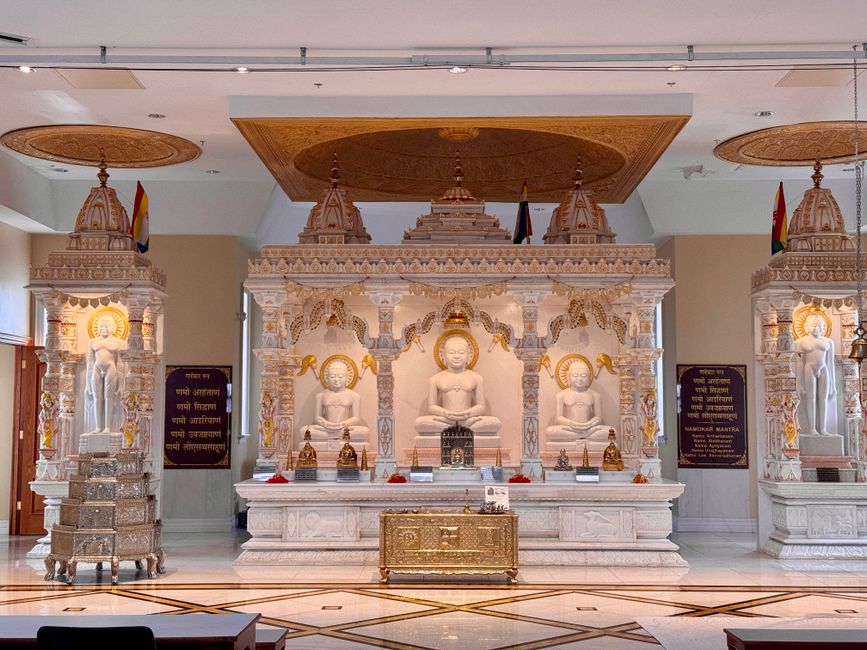










































As the year 2026 approaches, followers of Jainism globally anticipate Mahavir Jayanti, a significant observance marking the birth anniversary of Lord Mahavir. This auspicious day serves not only as a religious festival but also as a powerful reminder of the profound wisdom and ethical principles he imparted to humanity centuries ago.
The annual event provides an opportunity for spiritual reflection and a reaffirmation of values that hold increasing relevance in today's complex world. Communities prepare for prayer, charitable acts, and widespread discussions on the timeless teachings.
The Enduring Legacy of Lord Mahavir
Vardhamana Mahavir, born into royalty in Kundalagrama (present-day Bihar, India) around 599 BC, renounced worldly comforts at the age of 30 to pursue a path of spiritual enlightenment. After twelve years of intense penance and meditation, he achieved Kevala Jnana, or omniscience, becoming a Tirthankara – a ford-maker across the ocean of transmigration.
His teachings emphasized self-control, austerity, and adherence to a rigorous moral code. Lord Mahavir propagated a spiritual path free from dependence on external deities, focusing instead on individual effort for liberation. His philosophy laid the groundwork for the Jain tradition, which continues to thrive globally.
Significance of Mahavir Jayanti Celebrations
Mahavir Jayanti is observed with great fervor, typically falling in March or April according to the Gregorian calendar. The day sees grand processions, known as Rath Yatras, carrying idols of Lord Mahavir. Devotees visit Jain temples, offer prayers, participate in spiritual discourses, and perform acts of charity.
Special meals, often prepared without onions, garlic, or root vegetables in adherence to Jain dietary principles, are served. The celebrations are not merely ceremonial; they encourage adherents to delve deeper into Mahavir's teachings and integrate them into their daily lives.
Understanding the Timeless Panchsheel Principles
At the heart of Lord Mahavir's philosophy lies the Panchsheel, or the Five Great Vows. These principles are not just religious injunctions but practical guidelines for ethical conduct and peaceful coexistence. Their universality makes them applicable across cultures and belief systems.
Ahimsa (Non-violence)
This is the foremost principle, advocating non-violence in thought, word, and deed towards all living beings. Ahimsa extends beyond physical harm to encompass emotional and psychological well-being, fostering compassion and empathy. It promotes a vegetarian or vegan lifestyle and calls for mindful actions that minimize harm to the environment and its inhabitants.
Satya (Truthfulness)
Satya stresses speaking the truth and avoiding falsehoods. However, it is truth spoken with discretion, ensuring it does not cause harm to others. This principle encourages honesty in all interactions, building trust and integrity within society.
Asteya (Non-stealing)
Asteya means not taking anything that is not freely given. This extends beyond physical theft to include intellectual property, unfair business practices, and exploitation. It advocates for earning one's livelihood through honest means and respecting others' possessions and efforts.
Brahmacharya (Chastity/Celibacy)
For ascetics, Brahmacharya signifies complete celibacy. For householders, it implies fidelity to one's spouse and control over sensual desires. It promotes moderation, self-control, and channeling energy towards spiritual and constructive pursuits.
Aparigraha (Non-possessiveness)
Aparigraha advocates for limiting possessions and desires. It encourages detachment from material wealth and cultivating a sense of contentment. This principle addresses consumerism and promotes sustainable living, minimizing one's environmental footprint.
Relevance in a Modern Context
The Panchsheel principles, established over two millennia ago, resonate profoundly in the 21st century. Ahimsa offers a blueprint for resolving conflicts peacefully, promoting tolerance, and protecting the planet. Satya fosters transparency and accountability, crucial for ethical governance and media. Asteya promotes fair economic practices and combats corruption.
Brahmacharya encourages self-discipline and mindful relationships, while Aparigraha challenges rampant consumerism, advocating for a more balanced and sustainable way of life. These principles, while foundational to Jainism, resonate with universal truths embraced across diverse spiritual and philosophical traditions. Much like the profound meanings sought in names such as Yugandhar, the teachings of Lord Mahavir offer a blueprint for a life of purpose and harmony.
Mahavir Jayanti 2026 is therefore more than a historical commemoration; it is an urgent call to re-evaluate individual and collective actions through the lens of compassion and ethical living. The timeless wisdom of Lord Mahavir provides a guiding light for building a more just, peaceful, and sustainable world.
Stay tuned to GulfWire News for the latest developments and insights on cultural and spiritual observances.