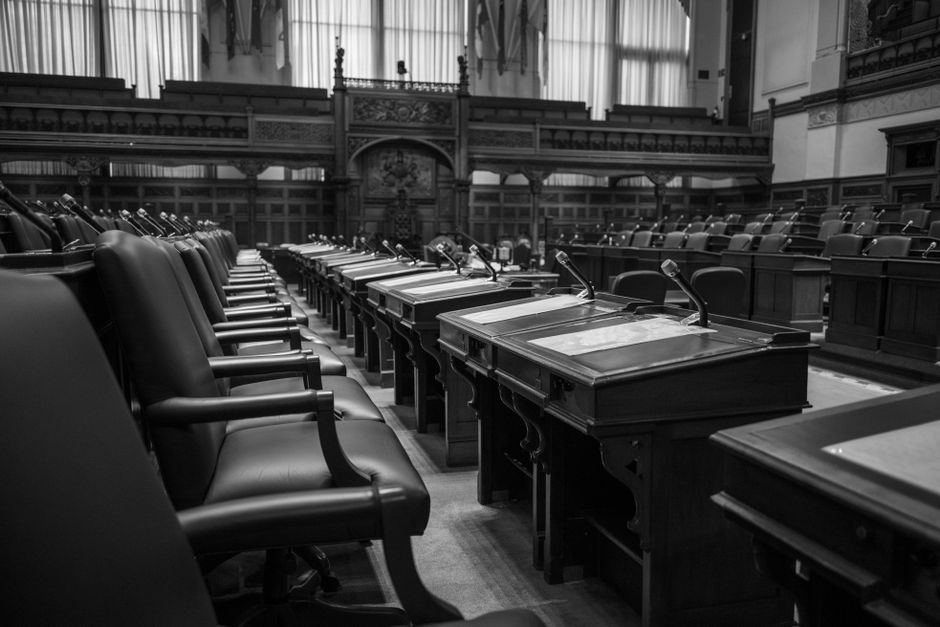








































In a significant legislative move, the Telangana Legislative Assembly recently passed a unanimous resolution, urging the Indian Central Government to initiate proactive peace efforts in the escalating conflict between Iran and Israel. The resolution, introduced by the state government, reflects a deep concern within the regional administration over the potential global ramifications of the protracted hostilities in the Middle East.
Lawmakers from across the political spectrum converged on the critical need for de-escalation and stability. The Assembly voiced collective apprehension about the loss of life, regional instability, and the adverse impact on the international economic landscape, particularly concerning crude oil prices and global supply chains.
A Unanimous Demand for Diplomatic Action
The resolution explicitly calls upon New Delhi to leverage its long-standing diplomatic relations and historical position as a non-aligned nation to foster dialogue between the warring parties. It underscores India's unique capacity to engage with various stakeholders in the region and contribute meaningfully towards a peaceful resolution.
Speakers highlighted India’s tradition of promoting peace and resolving international disputes through dialogue, not confrontation. The move by the Telangana Assembly emphasizes a broad-based desire for India to play a more pronounced role on the global stage, especially when critical geopolitical events threaten worldwide stability.
India's Potential as a Peacemaker
The call from Telangana resonates with a growing global sentiment for diplomatic intervention in the volatile Middle East. India, with its robust foreign policy framework and established relationships, is seen by many as a credible mediator capable of fostering constructive engagement.
The current situation has drawn severe international concern, with even diplomatic circles raising alarms over the potential for wider regional conflict. The stakes are profoundly high, with some discussions pointing towards extreme outcomes. For instance, a former UN diplomat recently resigned, raising alarm over possible nuclear use in Iran, further underscoring the urgency of de-escalation and peaceful resolutions.
Global Ramifications and Humanitarian Concerns
Beyond the immediate geopolitical concerns, the resolution also touched upon the humanitarian crisis unfolding due to the conflict. It emphasized the need for all parties to respect international law and protect civilian lives, while also facilitating humanitarian aid to affected populations.
The economic implications for India, a significant importer of oil, are also a crucial factor. Stable energy markets are vital for India's sustained growth, making peace in the Middle East a direct economic interest for the nation.
Fostering Dialogue Amidst Complexities
The Telangana Assembly’s resolution is a clear signal from a regional Indian government expressing profound concern over international events and a strong belief in India's capacity to influence global peace. It adds to the chorus of voices advocating for diplomatic solutions in one of the world's most sensitive geopolitical regions.
Despite the inherent complexities of the Middle Eastern political landscape, where past attempts at dialogue have faced significant hurdles—such as instances where a former US President alleged secret talks with Iran's Parliament Speaker, which Tehran firmly denied—the call for peace persists. Such complexities only highlight the need for persistent, multi-faceted diplomatic efforts to prevent further escalation.
For more detailed news coverage on international affairs and India’s role, visit gulfwire.in.