
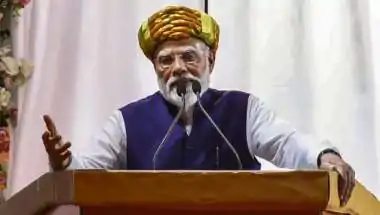









































Prime Minister Narendra Modi has publicly reassured the nation that India’s energy situation remains firmly 'in control,' even as global disruptions stemming from the ongoing West Asia conflict continue to ripple through international markets. His statement comes at a critical juncture, with concerns mounting over the potential for a global fuel crunch and its economic ramifications.
Addressing the pressing issue, the Prime Minister highlighted India's robust preparedness and strategic foresight in navigating volatile energy landscapes. The West Asia region, a crucial global energy supplier, has seen heightened tensions, leading to unpredictable fluctuations in crude oil prices and shipping logistics.
Navigating Geopolitical Complexities
The conflict in West Asia poses a multifaceted challenge, primarily impacting global crude oil supplies and maritime trade routes. Analysts have pointed to potential bottlenecks and increased transit costs, which can directly influence fuel prices worldwide. For a major energy consumer like India, these developments require constant vigilance and adaptive policies.
India, a rapidly developing economy, relies significantly on imported energy to power its growth trajectory. The government has consistently worked towards diversifying its energy basket and strengthening international partnerships to ensure a stable supply chain, mitigating the impact of external shocks.
Diversification efforts extend beyond geographical sourcing to include a focus on renewable energy, aiming to reduce overall dependency on fossil fuels in the long run. This dual approach helps insulate the economy from the immediate volatility of global oil markets while building a sustainable energy future.
? Did You Know? India is the world's third-largest consumer of oil and depends on imports for over 85% of its crude oil requirements, making global energy market stability crucial for its economy.
Strategic Reserves and Diplomatic Engagement
The nation maintains strategic petroleum reserves designed to provide a buffer against sudden supply disruptions. These reserves, along with a proactive diplomatic engagement with oil-producing nations, form a core part of India's energy security strategy.
Beyond national efforts, the broader Indian political landscape also reflects a shared concern over the escalating situation. State assemblies have, at times, echoed the sentiment for peace and de-escalation in the conflict-ridden region. For instance, the Telangana Assembly recently passed a resolution urging de-escalation in West Asia, underscoring the widespread desire for regional stability that directly impacts global energy flows. Read more about the Telangana Assembly's resolution on West Asia here.
PM Modi's assurance aims to instill confidence among citizens and businesses alike, signaling the government's firm grip on an issue with far-reaching economic implications. The focus remains on maintaining stability and ensuring continued access to essential energy resources, fostering uninterrupted national progress.
Stay tuned to GulfWire News for the latest developments on India's economic and geopolitical strategies.