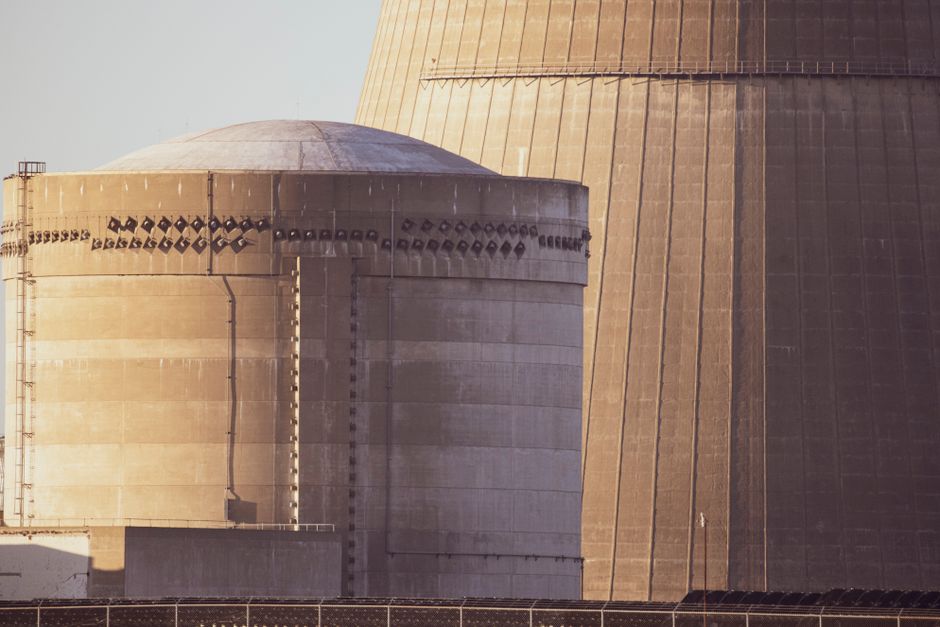











































In a momentous development for India's nuclear energy program, the Prototype Fast Breeder Reactor (PFBR) at Kalpakkam, Tamil Nadu, has achieved its first criticality. This significant milestone marks the operational debut of the nation's most advanced nuclear reactor, positioning India at the forefront of a select group of countries mastering this complex technology.
Prime Minister Narendra Modi lauded the achievement, calling it a "defining step in India's nuclear journey." He emphasized the indigenous nature of the reactor's design and construction, highlighting the immense dedication and scientific prowess of Indian scientists and engineers.
Understanding Criticality: A Leap in Reactor Technology
Achieving criticality signifies the initiation of a controlled, self-sustaining nuclear fission chain reaction within the reactor core. This is the crucial stage before power generation can commence, demonstrating the successful culmination of years of intense research, development, and stringent safety protocols by the Department of Atomic Energy (DAE) and Bhabha Atomic Research Centre (BARC) scientists.
Fast Breeder Reactors (FBRs) are distinct from conventional reactors as they produce more nuclear fuel than they consume. They achieve this by converting fertile uranium-238 into fissile plutonium-239, a process critical for maximizing fuel utilization, especially with India's vast thorium reserves. This technology holds the key to India's long-term energy security strategy.
A Cornerstone of India's Three-Stage Nuclear Program
The Kalpakkam PFBR is a cornerstone of India's ambitious three-stage nuclear power program, envisioned by Dr. Homi J. Bhabha. The second stage of this program relies heavily on FBRs to utilize the plutonium generated from the first stage's Pressurised Heavy Water Reactors (PHWRs). Eventually, these FBRs will pave the way for the third stage, which aims to harness India's abundant thorium reserves for power generation, moving towards greater energy independence.
This technological leap holds substantial implications for India's energy landscape. As global energy demands continue to rise and the imperative for cleaner energy sources grows, reactors like the PFBR offer a sustainable pathway. They provide a strategic advantage by significantly reducing nuclear waste and optimizing fuel resources.
Global Implications and Energy Security
India now joins an elite club of nations, including the United States, Russia, France, Japan, and China, that possess the capability to design, construct, and operate fast breeder reactors. This achievement not only bolsters India's energy security but also enhances its stature in the global nuclear technology arena.
The successful operation of such advanced nuclear facilities underscores the importance of securing vital energy infrastructure. Across the globe, nations are increasingly focused on protecting their energy assets from various threats, a concern sometimes highlighted by incidents such as the attack on a key Israeli oil refinery, which underscores the vulnerability of critical energy infrastructure to external factors.
Looking Ahead: Power Generation and Future Expansion
With criticality achieved, the next phases involve meticulous testing and commissioning before the PFBR can be connected to the grid for commercial power generation. The 500 MWe (megawatt-electric) reactor is expected to contribute significantly to India's clean energy mix, reducing reliance on fossil fuels and mitigating carbon emissions.
The successful indigenous development and operation of the Kalpakkam PFBR underscore India's commitment to self-reliance (Atmanirbhar Bharat) in strategic sectors. It represents a robust step towards a future where nuclear power plays an even more pivotal role in meeting the nation's burgeoning energy needs responsibly and sustainably.
Stay tuned to GulfWire News for the latest developments on India's energy landscape and scientific advancements.